
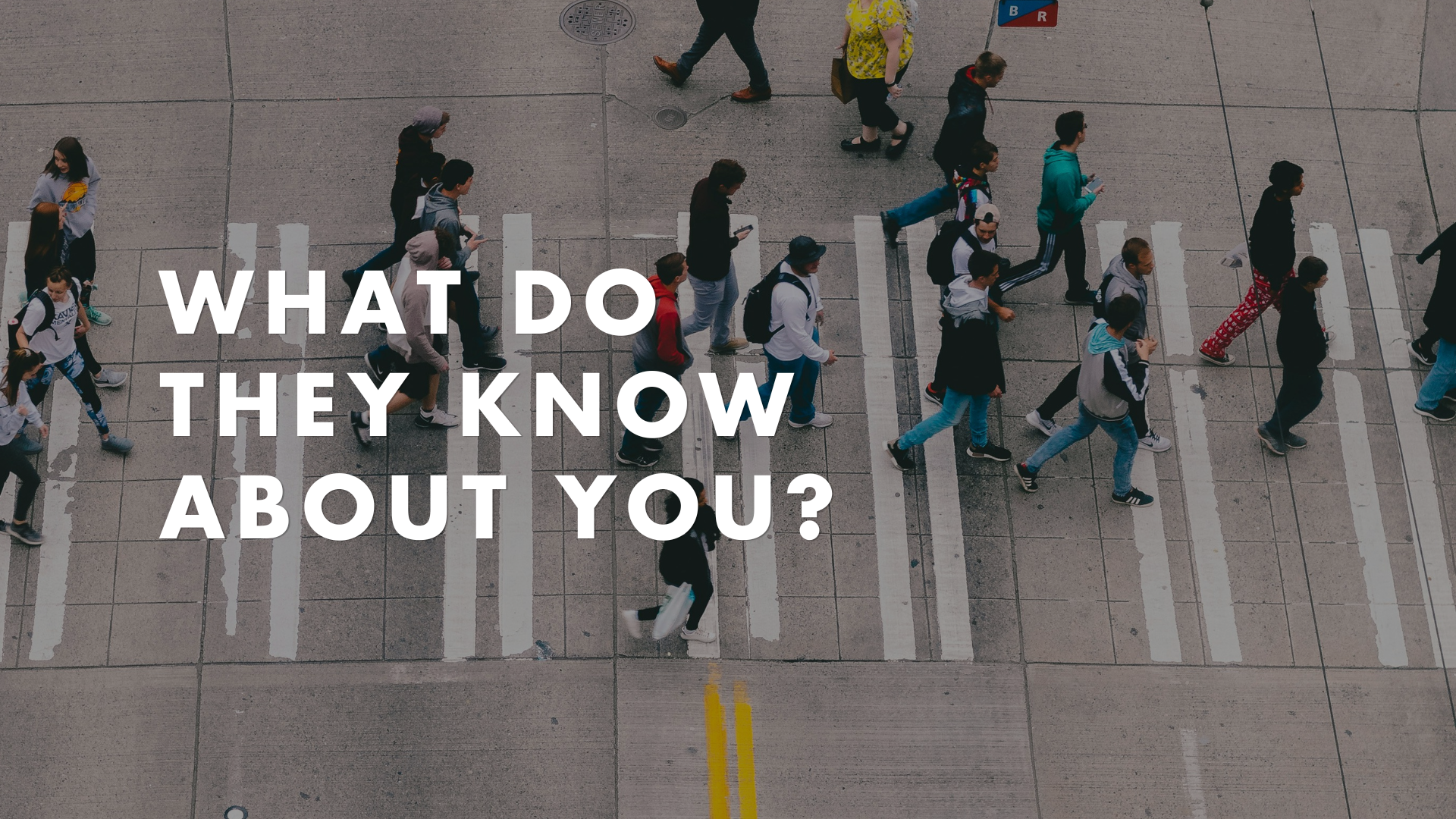
There's likely a conversation happening about your brand right now. It's in a Facebook group, a Reddit thread, a conversation in your industry, or a text between two colleagues. Someone is either recommending you, or they're not. And the outcome of that conversation has more influence over your next sale or conversion than almost anything else in your marketing strategy.
This is the reality of how buying decisions actually happen. By the time a potential customer types your name into Google or asks an AI assistant for recommendations, their mind is already partially made up. They have a short mental list of two or three brands they're already aware of. The search confirms what they've already been influenced to believe.
The question for your business or organization isn't just "can people find us?" It's "do people already know us?"
Brand Awareness Isn't a Soft Metric
Brand awareness often gets treated as a nice-to-have or a vanity metric. But when you understand how buyers actually move from "I have a need" to "I'm ready to act," awareness becomes the most important thing you can invest in.
Think about the last significant purchase you made, personally or professionally. Did you start from scratch? Or did you already have a few names in your head before you ever started researching? Most buyers do. They've been exposed to a brand through word of mouth, social media, a trusted peer, or consistent messaging over time. The research phase is largely a confirmation exercise.
Things That Actually Build Brand Awareness
Word of mouth is your most powerful sales force (and you often don’t control it directly).
When someone genuinely loves your brand, they become an unpaid advocate. They recommend you in group chats, tag you in conversations, and tell their network about their experience. This kind of organic endorsement carries more weight than any ad you'll ever run, because it comes with built-in credibility.
You have to earn it. That means delivering on your brand promise consistently — every time, not just when it's convenient — treating every customer interaction as a reputation-building moment, and making it easy for happy clients and supporters to talk about you. Word of mouth is built in the experience, not the marketing.
For nonprofits, this looks like a donor who tells their employer about your mission, or a volunteer who posts about your impact before a fundraising campaign. For a scaling business, it's the client who mentions your name in a peer group (who all fit your ideal customer profile). Word of mouth doesn't always happen at scale, but when it does happen, it converts at a rate that paid media rarely touches.
Consistency builds recognition, and recognition builds trust.
When your logo, color palette, tone of voice, and messaging align across every touchpoint — your website, social media, email communications, proposals, and in-person presence — you become recognizable. And recognizable brands feel safer to buy from.
This consistency isn't just about aesthetics, though visual alignment matters. It's about giving people a clear, consistent sense of who you are, what you stand for, and whom you serve. And it extends beyond your visual identity into every customer experience because consistency of experience is ultimately what drives word of mouth. People don't recommend brands just because of a good logo. They recommend brands because the promise held up.
Every time someone encounters your brand and the experience is coherent with the last time they encountered it, you're building trust. Over time, that trust is what puts you on the shortlist.
Where and When Paid Advertising Belongs
Here's where many organizations get this backward. They pour dollars into paid advertising before they've done the foundational brand work, and then wonder why their cost-per-acquisition is high or their campaigns aren't performing the way they expected.
Paid advertising is an accelerant; it amplifies what's already there. If what's already there is unclear — if your messaging is inconsistent, if your visual identity is mismatched, if your audience has no existing familiarity with your name — paid dollars will push that unclear brand out to more people, faster (that's not a win).
When brand awareness has been built first, paid advertising becomes significantly more effective. You're reaching an audience that may have already heard of you, or that quickly recognizes your brand as familiar and credible. Your cost-per-click drops and conversion rate improves.
Think of brand awareness as warming up the room. Paid advertising closes the deal in a warm room much more efficiently than it does in a cold one.
The Platforms Change, But Behavior Doesn't
Right now, people are forming opinions about brands on Reddit, Instagram Reels, LinkedIn, YouTube, and through AI-generated answers to search queries. They're watching which names come up repeatedly. They're taking note of which brands their trusted peers vouch for.
The specific platforms where these conversations happen will shift over time. But the behavior itself is durable: people seek validation from their networks before they make decisions. And the brands that show up consistently in those organic conversations, that have built enough awareness to be part of the shortlist, are the ones that win the long game.
Starting with Strategy
Investing in brand awareness requires being honest about where your foundation stands today. Do you have a clear brand identity? Is your messaging consistent? Do the people you most want to reach know who you are and what you stand for?
At Novella Brandhouse, this is the work we do, helping businesses and nonprofits build the brand foundation that makes everything else in their marketing strategy work harder. If you're ready to stop starting from scratch with every campaign and start building something your audience will remember, we'd love to talk.
