
Let’s get real for a second… building brand loyalty in today’s social and economic climate is tough. Consumer habits are shifting fast, and what worked yesterday might not work tomorrow.
For brands struggling to keep up, one major culprit is often a misunderstanding of customers. When you don’t know where your customers are focusing their energy or where they’re headed next, you risk pouring time and money into strategies that miss the mark. The truth? Good brands don’t just respond to the market, they create it. And right now, the market is shifting.
After years of digital-first everything, we’re watching the pendulum swing back to something that feels refreshingly familiar: out-of-home advertising.
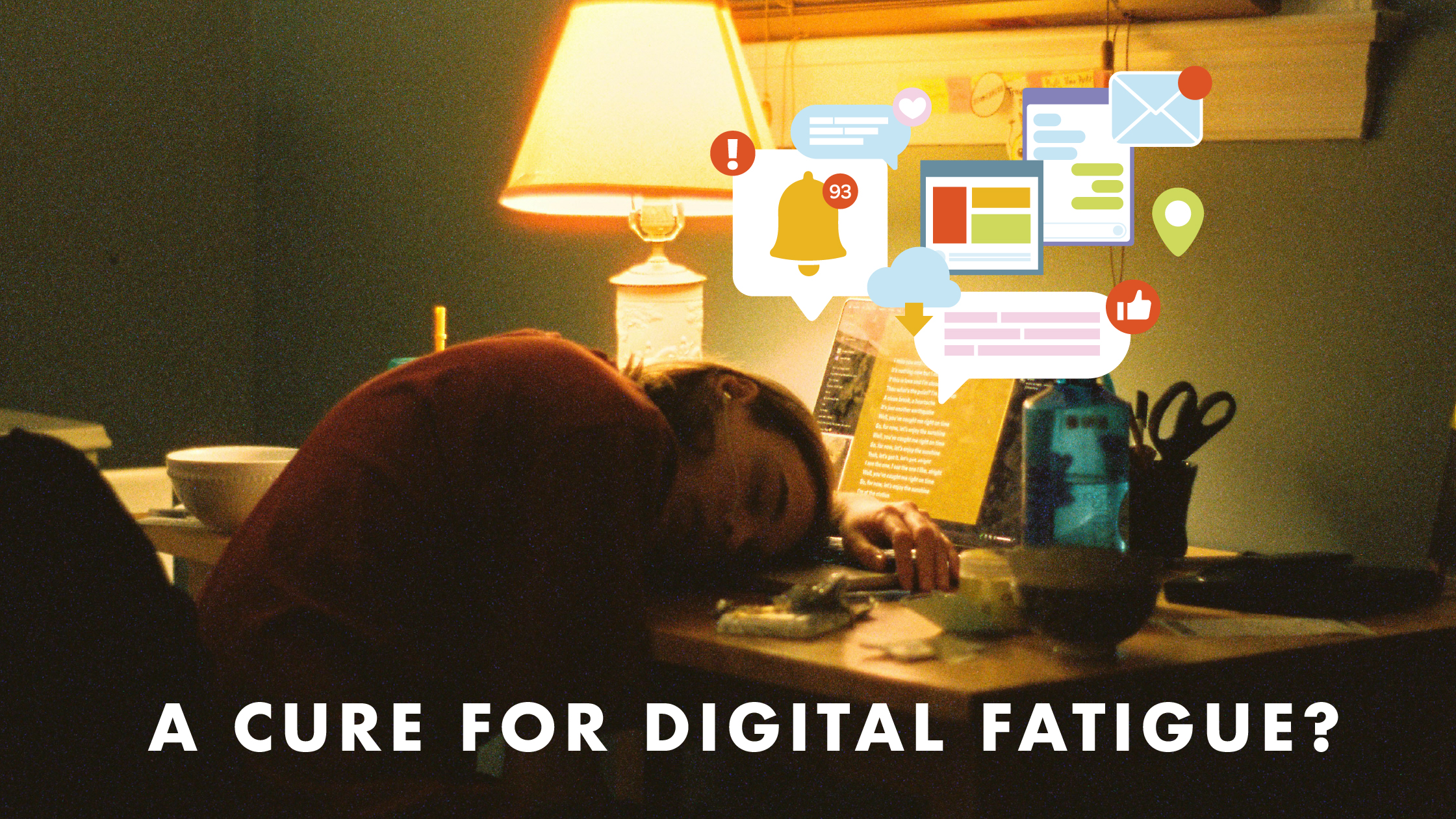
Why? Because digital fatigue is real.
Consumers, especially those who grew up with a phone in hand, are tired of staring at screens. Gen Z in particular craves real-world, authentic experiences. They build their lifestyles, belief systems, career paths, and relationships around them.
Research backs this up. An Outfront study shows that people are still traveling despite economic uncertainty. More of them are hitting the road than hopping on planes, which means more time spent in cars, on sidewalks, and in public spaces. At the same time, digital overload is literally draining us. One study found that 71% of people reported better mental health after just a two-week phone break.
Here’s the math:
Less time on phones + more time out in the world = more eyeballs on out-of-home media.
Out-of-home advertising includes billboards, transit ads, digital displays in malls, airports, and retail spaces—anywhere people interact with media outside their homes.
The attention problem and the OOH advantage
Even as people turn away from their phones, there’s another hurdle: shrinking attention spans. Twenty years ago, the average person’s attention span was about two and a half minutes. Today, it’s just 47 seconds. Ad recall is dropping too, down 37% since 2018. For marketers, that’s a big red flag.
But here’s the good news: out-of-home ads cut through the noise. Consumers consistently rank OOH as more engaging than online formats. In fact, the Outfront study found people prefer OOH over social in-feed ads, influencer content, podcasts, online video, and mobile ads. That’s huge.
The psychology of trust
Why does OOH resonate more right now? It comes down to trust. AI and digital media have blurred the lines between what’s real and what’s not. Deepfakes, scammy ads, and AI-generated content are everywhere. Consumers are skeptical.
But when you see a billboard on your commute, you know it’s the real thing. It’s tangible. It’s rooted in place. And that sense of authenticity matters more than ever.
What this means for brands
So what’s the takeaway? Consumers crave authenticity. They’re experiencing digital fatigue. Their attention spans are shorter than ever. And they’re increasingly receptive to OOH advertising.
But here’s the kicker: slapping your logo on a billboard isn’t enough. A great OOH campaign only works when it’s backed by a strong, consistent brand strategy.
As Mark Ritson put it: “You have two jobs if you want to build a brand. It must come to mind, and it must stand for the things you want it to stand for. That’s it.”
Ask yourself: What do you want your brand to stand for? A social cause? Being the best seltzer this side of the Mississippi? Unmistakable colors? Likely, it’s a combination. And when done right, it works.
Case in point: Patagonia
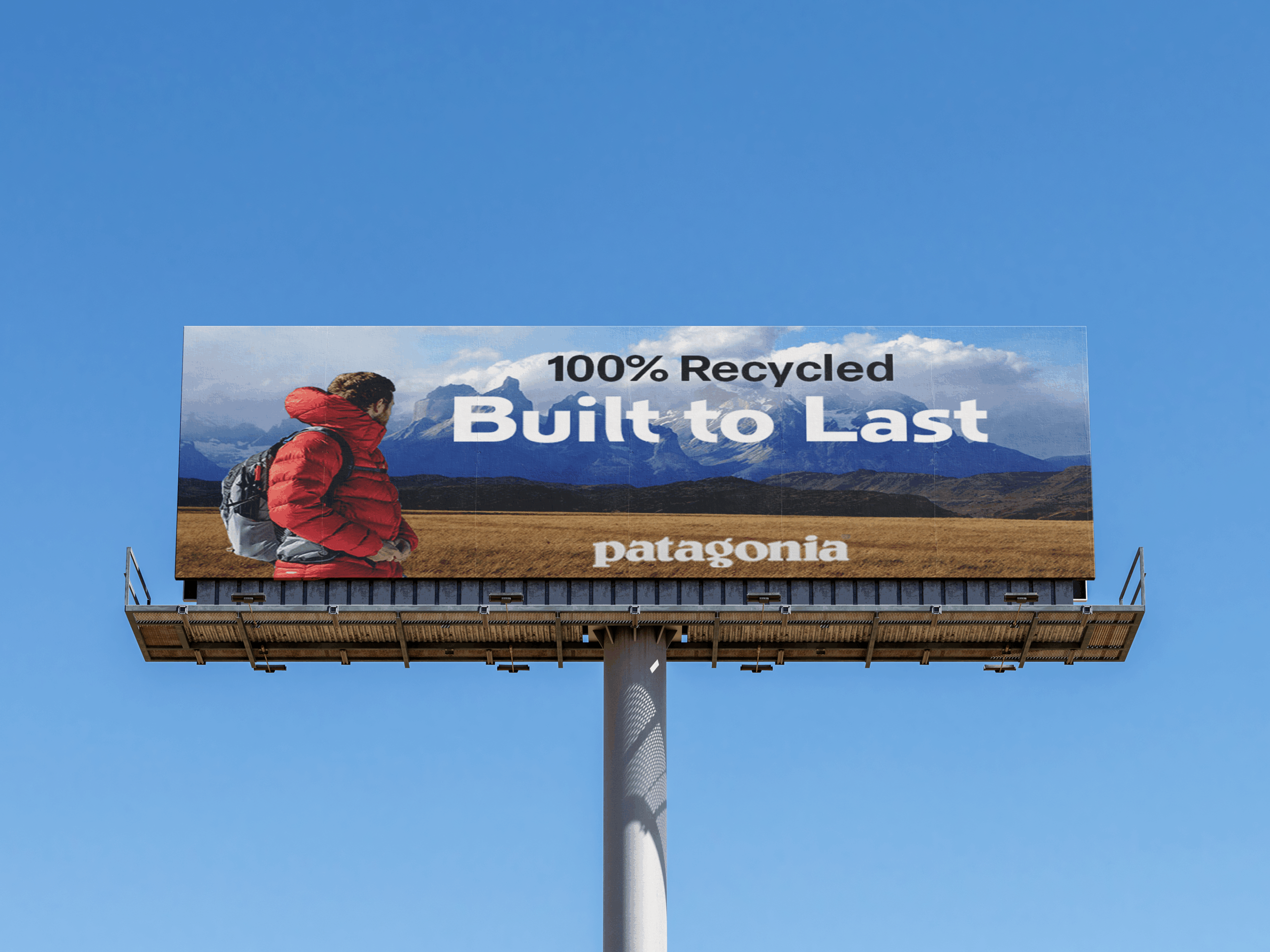
Let’s highlight one of our favorite brands: Patagonia. They are laser-focused: outdoor gear, built to last. They stay out of retail spaces that don’t align with their mission. Their branding—logo, colors, tagline, tone—is instantly recognizable.
Take one of their billboards. Even without the logo, you’d recognize the font, the colors, the environmental message. Because Patagonia has built consistent, memorable interactions over time, their OOH campaigns land in seconds.
Building brands that last
A brand isn’t just a logo and tagline. It’s mission, voice, tone, colors, experiences, and the moments you create over time. When brands consistently invest in and amplify these elements, customers notice and buy.
OOH advertising is extremely relevant right now, but it’s most powerful when rooted in a strong brand strategy. That’s where we come in. At Novella Brandhouse, we help brands of all kinds—DTC, nonprofits, B2B, municipalities, and government programs—clarify their identity and stand out.
If you’re ready to make your brand unforgettable and increase the ROI of your marketing dollars, let’s talk. Grab a spot on our calendar to build a brand that lasts.
Primary source: Outfront Media
Other sources: Emarketer, Freeman, Research Gate, Salesforce, University of Texas at Austin
